
Conference speakers
Presentations from invited experts — practical insights and current research
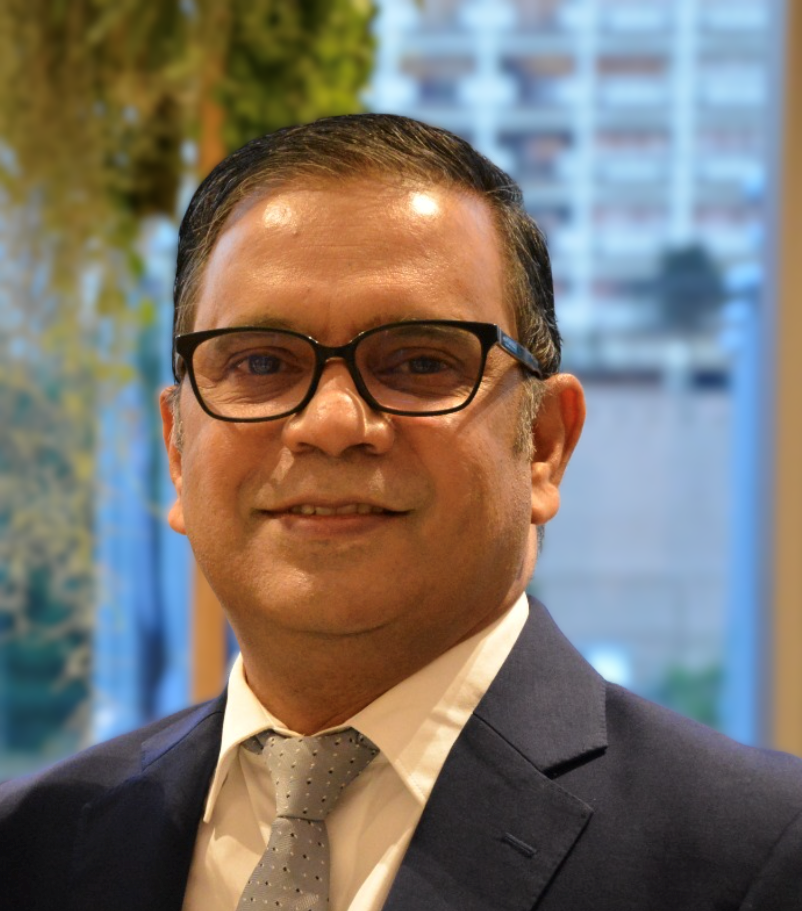
Aslam Perwaiz
Executive Director
Asian Disaster Preparedness Center
Bangkok 10400, Thailand
Email: aslam@adpc.net
Keynote Title: Earthquake Safety in the context of Climate Change
Mr. Aslam Perwaiz is the Executive Director of Asian Disaster Preparedness Centre (ADPC). He holds a master's degree in Statistics and has been involved in various global and regional initiatives on disaster risk reduction, climate resilience, business continuity planning, and digital resilience. He has substantive fieldwork experience from more than 20 countries (Asia, Pacific, and Africa) with national and sub-national work program development and implementation in emergency preparedness planning, post-disaster damage and loss assessment, recovery planning, private sector resilience, training and capacity building framework and curriculum development.
Mr. Aslam serves as the Member of the Asia Pacific Scientific and Technical Advisory Group (AP-STAG) and the Strategic Advisory Group (SAG) United Nations Office for Disaster Risk Reduction (UNDRR). He is also the Expert Group member of the Global Catastrophic Risks (GCR) led by Centre for the Study of Existential Risk (CSER) at the University of Cambridge.
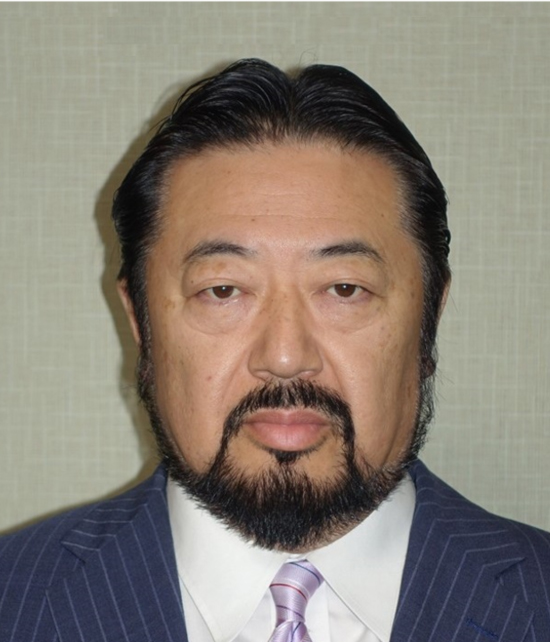
Dr. Kimiro Meguro, Professor
Dean of Interfaculty Initiative in Information Studies
The University of Tokyo
Japan
Email: meguro@iis.u-tokyo.ac.jp; kimiro.meguro@gmail.com
Keynote Title: “Key Issues in Building an Earthquake-Resilient Society”
Professor Kimiro Meguro is a Professor at the University of Tokyo (UTokyo) and a leading expert in urban and international earthquake disaster management. After earning his PhD from UTokyo in 1991, he ascended through various academic ranks to become a professor in 2004. Since 2024, he has served as the Dean of the Interfaculty Initiative in Information Studies. His academic influence extends globally, having held adjunct professorships at the United Nations University and Tohoku University, etc.
His research adopts a holistic approach, integrating hardware and software strategies to minimize hazard-related losses and transform disaster recovery into opportunities for improving potential problems of affected area. He has been to over 100 countries and spearheaded earthquake disaster mitigation initiatives in more than 40 nations, notably in developing regions.
Beyond academia, he is a pivotal figure in policy and governance, serving as a special advisor to the Cabinet Office of the Japanese Government and contributing to numerous disaster-related committees. His leadership includes presiding over major academic societies, such as the Japan Association for Earthquake Engineering and Japan Society for Natural Disaster Science and chairing bid and organizing committees of the 17WCEE. His profound contributions have been recognized with prestigious honors, including the Prime Minister’s Commendation for Disaster Management Service.
Engr. Ronaldo S. Ison
Principal Civil/Structural Engineer of R.S. ISON & Associates
Former President of ASEP
Philippines
Email: rannie.ison@gmail.com
Keynote Title: Forging Safer Futures: ACEE and the Collective Advancement of Earthquake Engineering in Asia
Engr. Ronaldo S. Ison is licensed civil/structural engineer in the Philippines. He is the owner and principal Civil/Structural Engineer of R.S. ISON & Associates which he founded in 1989. He specializes in the structural engineering design of low to high-rise buildings and has extensive professional practice in his country. He is a four-time President of the Association of Structural Engineers of the Philippines, from 2002-2004 and then in 2019-2021. In 2004, during his presidency in the ASEP, the ASEP founded the Asia Conference on Earthquake Engineering in Manila. He is a Senior Lecturer at the University of the Philippines, Institute of Civil Engineering. He is consistently a member of the National Structural Code of the Philippines codes development committee.
Prof. Pennung Warnitchai
Chair of Structural Engineering Program - Department of Civil and Infrastructure Engineering
Asian Institute of Technology
Bangkok, Thailand
Email: pennung.ait@gmail.com;pennung@ait.ac.th
Keynote Title: The impact of the M7.7 Mandalay earthquake on high-rise buildings in Bangkok
Pennung Warnitchai received his doctoral degree in Civil Engineering from the University of Tokyo in 1990 and is currently Professor of Structural Engineering at the Asian Institute of Technology (AIT). He has been actively involved in research and practice in the fields of structural dynamics, earthquake engineering, wind effects on structures, bridge engineering, and disaster management. Since 2002, he has been leading a long-term research program on "Mitigation of Earthquake Risk in Thailand" funded by the Thai Research Fund and later by the National Research Council of Thailand. In the professional organizations, he was the chairman of the chapter on the effects of earthquakes and wind loads at the Engineering Institute of Thailand (EIT) from 2002 to 2016. He led a team of experts and professional engineers to develop the first official seismic design standard for buildings and structures in Thailand in 2009. Several of his research team's findings, such as new design spectra for long-period ground motions in the Bangkok basin and a new method for analyzing the seismic response of tall buildings, were translated into code of practice in this seismic standard. He is also currently Thailand's national delegate to the International Association for Earthquake Engineering (IAEE) and founding director of the Earthquake Research Center of Thailand (EARTH).

Dr. Naveed Anwar
Founder, CEO,
CSI Bangkok Co. Ltd.
Thailand
Email: dr.naveedanwar@gmail.com, naveed@csibangkok.com
Keynote title: Performance-Based Design in the Age of AI: From Research to Engineering Practice
Dr. Naveed Anwar, a distinguished Pakistani-born structural engineer with over 40 years of experience, currently serves as the CEO of CSI Bangkok and holds an adjunct faculty position at the School of Engineering and Technology (Structural Engineering Department) at the Asian Institute of Technology (AIT). His expertise spans diverse areas like finite element modeling, advanced concrete design, performance-based design of tall buildings, technology adaptation, BIM, and software development. Dr. Anwar's focus on knowledge sharing is evident through his extensive research supervision, publications, and international conference keynotes. He actively contributes to capacity building through initiatives like ACECOMS and AIT Solutions, and his drive for integrating emerging technologies into structural engineering reflects his forward-thinking approach to the field. He can be contacted at naveed@csibangkok.com.

Dr. Susan Hough
Seismologist, Earthquake Program US-South Asia Coordinator
United States Geological Survey (USGS)
Pasadena, CA, USA
Email: se.hough@gmail.com; hough@usgs.gov
Keynote Title: Towards Consensus-based Seismic Hazard Assessment and RIsk Mitigation
Dr. Susan E. Hough is a research geophysicist at the U.S. Geological Survey’s Earthquake Science Center, where she works within the Earthquake Hazards Program. Her research focuses on understanding earthquake processes, ground motion, and seismic hazards, including the use of macroseismic data and historical earthquake records to better interpret how earthquakes impact communities.
She has contributed extensively to earthquake science through numerous publications on topics such as seismic intensity, historical earthquakes, and earthquake hazard assessment. Her work also includes international efforts in earthquake monitoring and post-disaster response, including field deployments following major events such as the 2010 Haiti earthquake.
Dr. Hough’s research integrates scientific analysis with practical applications in hazard assessment and risk reduction, contributing to improved understanding of earthquake impacts and resilience.
Dr. Anastasios Sextos
Professor of Earthquake Engineering/Director,
MSc in Earthquake Engineering & Infrastructure Resilience
University of Bristol, UK
Email: a.sextos@bristol.ac.uk
Title: Low-cost solutions for resilient school buildings in Nepal
Anastasios Sextos (www.asextos.net) is Professor of Earthquake Engineering at the University of Bristol and the Director of the Laboratory of Earthquake Engineering at the National Technical University of Athens where he serves on a dual appointment. He is the Founding Director of the new UKCRIC National Facility in Soil–Foundation–Structure Interaction (SoFSI) in Bristol, where he also acted as the Head of the Earthquake and Geotechnical Engineering Research Group.
Between 2011 and 2026, he coordinated 40 internationally funded research grants including the GCRF-funded project SAFER on Seismic Resilience of Schools in Nepal. This project, co-coordinated with NSET delivered the world’s first building on a low-cost PVC-based seismic isolation system, awarded by the Anti-Seismic Systems International Society (ASSiSi). Anastasios also serves on the drafting committee of Structural Eurocodes and chairs Greece’s National Pre-Earthquake Assessment Committee of Public Buildings. He is an Associate Editor for the ASCE Journal of Structural Engineering, Earthquake Spectra and Journal of Earthquake Engineering.
He has been a Research Visitor at University California Berkeley (2007), a Fulbright Research Scholar at the University of Illinois at Urbana-Champaign (2012) and a National High-end Foreign Expert in China (2016-2019). Anastasios has authored or co-authored 110+ journal papers (92% Q1) in the areas of experimental and computational earthquake engineering.
Dr. Bijaya Jaisi
Director-General,
Department of Roads
Chakupat, Lalitpur
Email: dgdor@dor.gov.np
Dr. Bishal Nath Uprety
Former Head of Department of Geology and Dean,
nstitute of Science and Technology, Tribhuvan University
Academician, Nepal Academy of Science and Technology (NAST)
Mail: bnupreti@gmail.com.
Title: EARTHQUAKE HAZARD IN THE HIMALAYA WITH IMPLICATIONS FOR NEPAL: A REVIEW
Prof. Dr. Bishal Nath Upreti is a distinguished geologist internationally recognized for his contributions to Himalayan geology and disaster risk management. He is the Founder General Secretary and current President of the Nepal Centre for Disaster Management (NCDM) and has served as Chairperson of DPNet-Nepal. He held key academic positions at Tribhuvan University, including Head of the Department of Geology and Dean of the Institute of Science and Technology. Internationally, he has served as Professor of Geology at the Universities of Zambia and Ethiopia and as visiting professor in France, Japan, and India. He is a Fellow of NAST, TWAS, and the Zambia Academy of Sciences. He has published nearly 100 papers with over 7,700 citations and received honors including the TWAS C.N.R. Rao Prize, Honorary Fellowship of the Geological Society of America and Gorkha Dakshin Bahu.
Dr. Deepak Chamlagain
Associate Professor, Department of Geology
Tri-Chandra M. Campus, Tribhuvan University, Ratnapark
Email: deepakchamlagain73@gmail.com
Title: Characterizing Site Resonance Periods in the Himalayan Basins Using Ambient Noise Based Horizontal-to-Vertical Spectral Ratio
Dr. Deepak Chamlagain is an Associate Professor of Geology at Tribhuvan University, Nepal. He earned his PhD in Geology from the University of the Ryukyus, Japan, in 2007, and his Master of Science in Geology from Tribhuvan University in 2000.
He has completed two postdoctoral fellowships: the first in Earthquake Geotechnical Engineering at Sapienza University of Rome, Italy, in 2012 under the EU-NICE Programme, and the second in Paleoseismology and Seismic Hazard Assessment at the University of Nevada, Reno, USA, in 2018. He is also a Fulbright Fellow of the United States.
His research interests include paleoseismology, engineering seismology, and seismic hazard assessment. Dr. Chamlagain has published more than 50 research papers in reputable national and international journals and has authored a book on the 2015 Gorkha earthquake. Dr Chamlagain has also contributed to the development of a National Seismic Hazard Map for the revision of Nepal’s National Building Code (NBC 105) in 2020 and 2025.
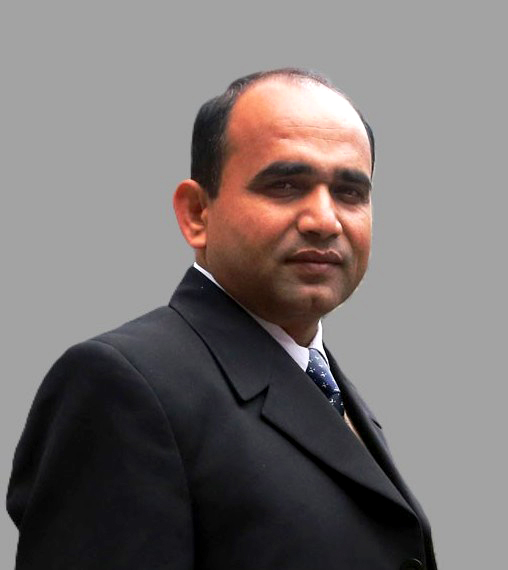
Dr. Lok Bijaya Adhikari
Senior Seismologist,
Department of Mines and Geology (DMG)
Lainchour, kathmandu
Email: lbadhikari@gmail.com
Dr. Prem Nath Maskey
Professor of Civil Engineering,
Institute of Engineering (TU), Pulchowk Campus
Pulchowk, Lalitpur
Email: pnmaskey@live.com
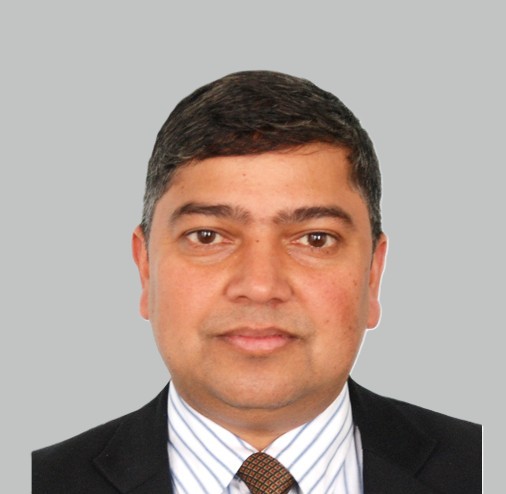
Dr. Ramesh Guragain
Senior Earthquake Engineer
Email: rguragain@gmail.com
Title: From Pilot Implementation to Large Scale Seismic Retrofitting: Lessons from Nepal
Dr Ramesh Guragain is a senior disaster and climate-resilient infrastructure specialist with over 25 years of experience advising governments, cities, and development partners across. Personally led and carried out multi-hazard risk assessments of urban infrastructure systems including seismic assessment and retrofitting of critical facilities, including schools and hospitals. Expertise spans transport, power, water, telecom, and social infrastructure, with particular experience in mountainous and seismic-prone contexts. Has led national frameworks, city-scale systems risk analyses, and large portfolios translating risk evidence into policy, investment prioritization, and institutionalized capacity development, and served as consultant to GFDRR, the World Bank on strategies for scaling retrofitting of existing building stocks. He has PhD from the University of Tokyo and served as Deputy Executive Director of NSET from 2012 to 2025.
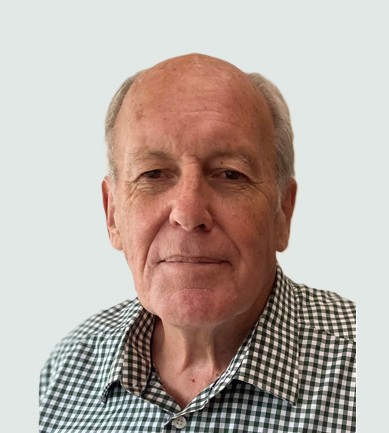
Dr. Richard Sharpe
Former Senior Technical Director, Earthquake Engineering
Beca, New Zealand
Email: richard.sharpe@beca.com
Dr. Richard has had a 55-year career mostly in New Zealand with Beca where he became their Senior Technical Director, Earthquake Engineering. From developing nonlinear time-history analysis software as part of his post-graduate studies, he moved progressively into the seismic design of special and industrial structures and the development of seismic policies for public infrastructure clients. In the 1990s, he led an international team in Kathmandu that drafted a national building code for Nepal. Richard has provided seismic advice to government and private sector clients in India, Turkey, Cyprus, Romania, Australia, Pakistan, the Netherlands, the UAE, the Pacific islands and New Zealand. He is a Distinguished Fellow of Engineering New Zealand and a Life Member of NZSEE.
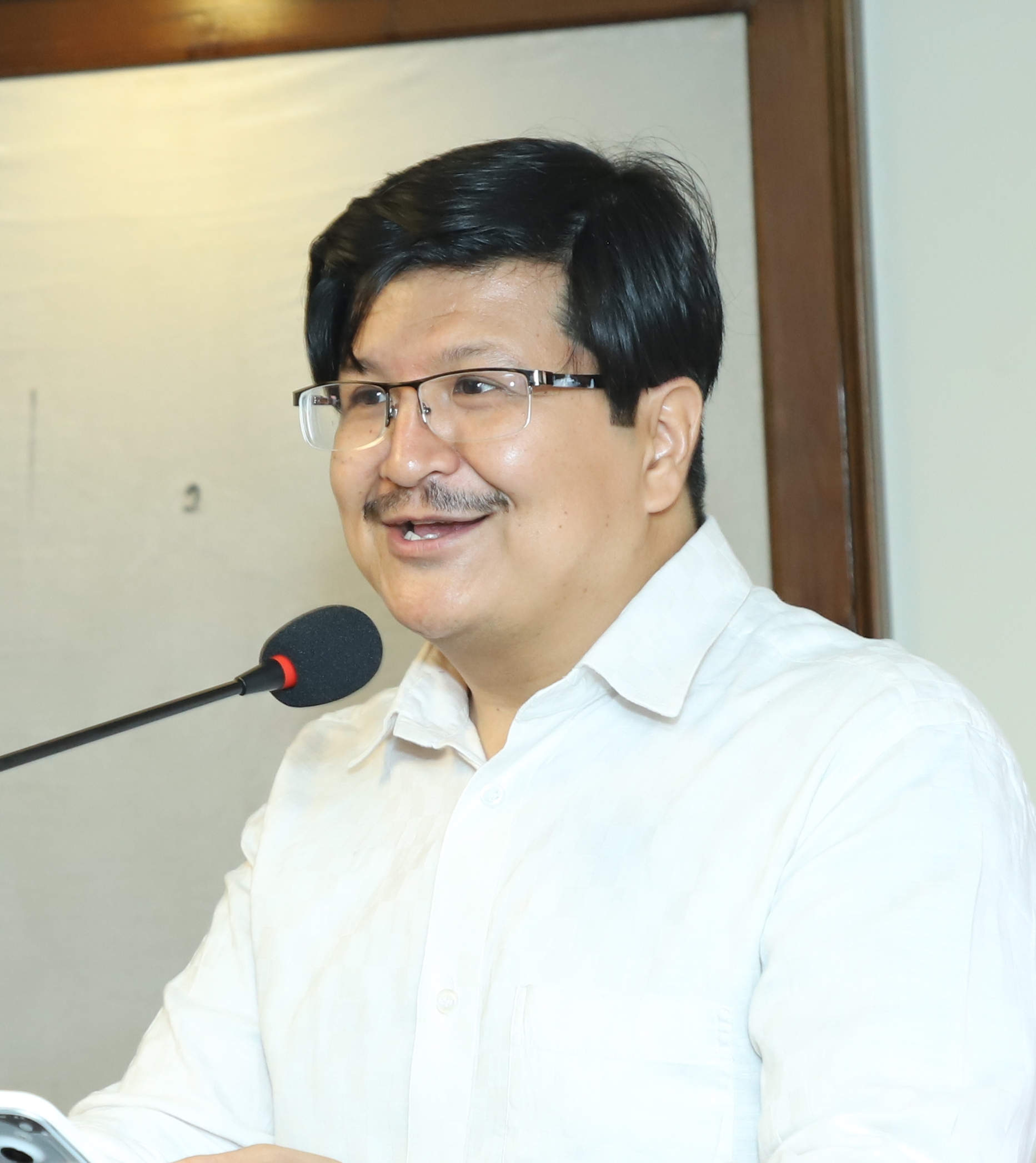
Dr. Subeg Man Bijukchhen
Associate Professor,
Khwopa Engineering College
Changunaryan, Bhaktapur
Email: subegbij@gmail.com
Dr. Vitor Silva
Seismic Risk Coordinator,
Global Earthquake Model (GEM)
Via Ferrata 1 27100 Pavia, ITALY
Email: vitor.silva@globalquakemodel.org
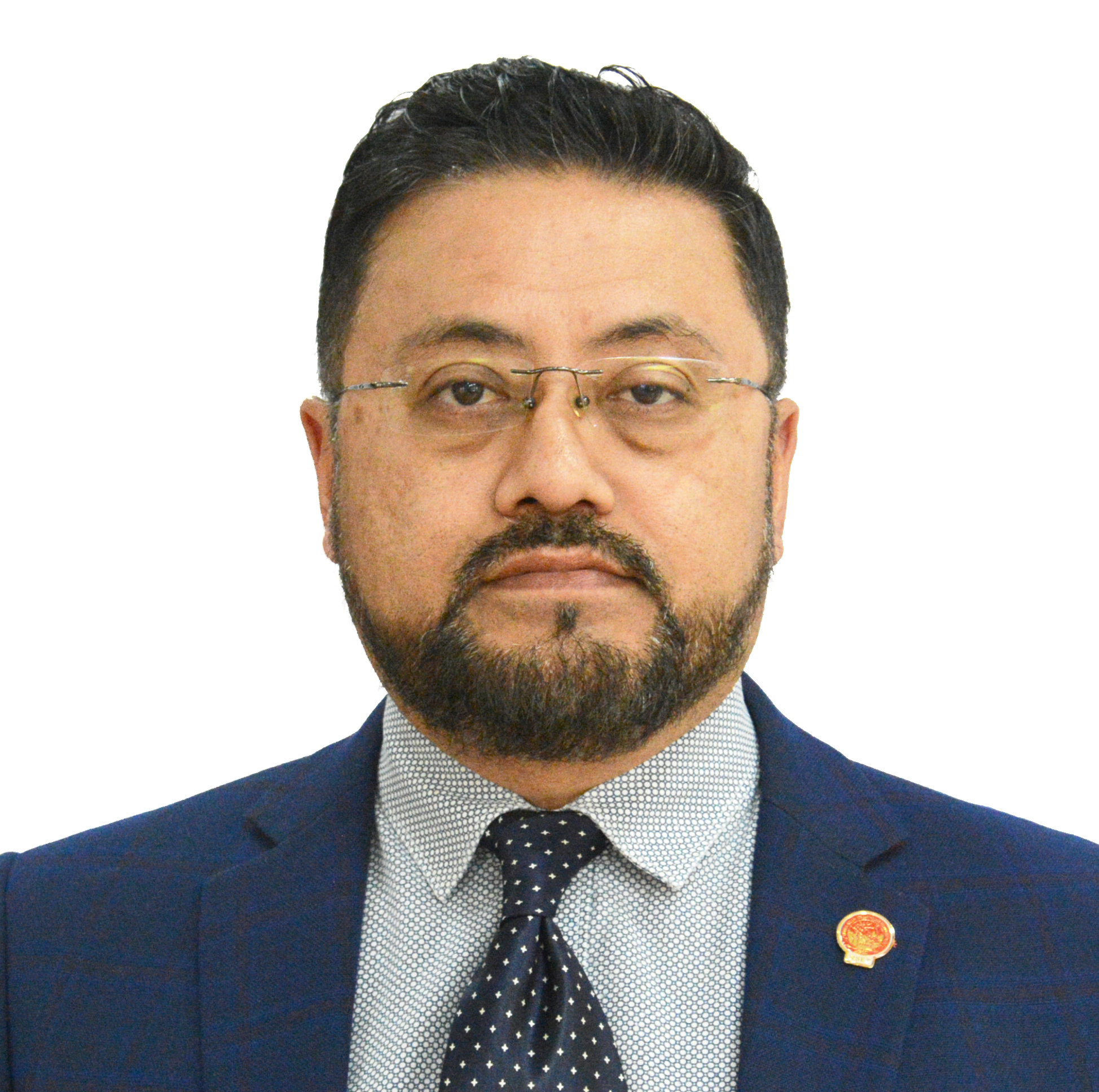
Er. Surya Narayan Shrestha,
Executive Director,
National Society for Earthquake Technology Nepal (NSET)
Bhaisepati, lalitpur
Email: sshrestha@nset.org.np
Title: Community centered resilience building - lessons of post-earthquake recovery
Mr. Surya Narayan Shrestha is the Executive Director at National Society for Earthquake Technology – Nepal (NSET). Mr. Shrestha has been working with NSET since 2000. He holds a Master's Degree in Structural Engineering and has an extensive work experience of more than 25 years.
He has been leading the implementation of concepts and programs on Promoting safer building construction, school earthquake safety program, resilience of health systems, community based disaster risk management programs, enhancing emergency response capacities at community levels to national levels, and various researches and studies related to promotion of earthquake safety, and preparedness.
Mr. Shrestha recently served as Technical Advisor to the National Reconstruction Authority (NRA) and provided his inputs to the policies, plans and programs formulated for post-earthquake reconstruction.
He has worked as Program/Project Manager and Team Leader for several projects related to earthquake risk reduction and post-earthquake reconstruction in Nepal, Pakistan, Indonesia, Bangladesh, Bhutan, Iran, and Mozambique.
Mr. Shrestha also represents NSET in several global, regional and national networks and scientific initiatives on disaster risk reduction and management. He sits in the Governing Board of Global Earthquake Mode (GEM) Foundation, Pavia, Italy. NSET has been member of GNDR since 2008, and Mr. Shrestha is one of the members in Regional Advisory Group of Global Network of Civil Society Organizations for DRR (GNDR) in South Asia and National Focal Point for Nepal since 2017. Mr. Shrestha also served as one of the fellows in Housner Fellowship Program during 2014-2016 administered by Earthquake Engineering Research Institute (EERI) of the USA.
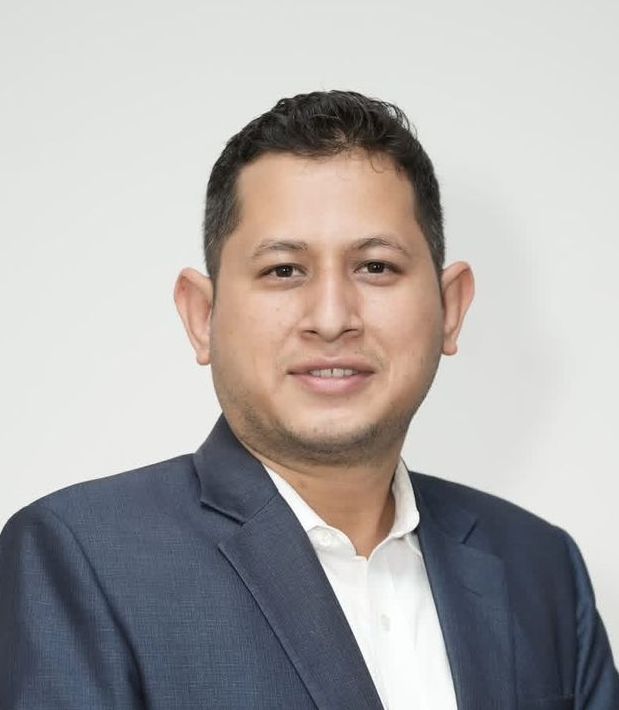
Er. Suraj Gautam
Executive Director
Institute of Himalayan Risk Reduction (IHRR)
Kathmandu, Nepal
Email: suraj@ihrr.org.np
Title: Frontline CSOs & Researchers: Stronger Together for Last-Mile Earthquake Resilience
Mr. Suraj Gautam is a dedicated researcher specializing in geo-hazards in the Nepal Himalayas. He holds a Master's degree in Disaster Risk Management with a background in Civil Engineering. He has been promoting innovations and science-based decision making in Disaster Risk Reduction and Management.
Suraj is working extensively on frontier technologies and its application on assessing the mountain hazards. Through the interdisciplinary approaches and collaboration with a wide range of stakeholders, Suraj has gained healthy experiences in planning, designing and implementing a number of projects. He has been leading a number of Citizen Science initiatives, developing low-cost early warning systems, organizing Hackathons and participatory mapping activities across the Nepal Himalayas. Suraj eagerly anticipates collaborating with stakeholders to explore, co-design, and develop sustainable programs within communities. He also serves as General Secretary of the DPNet Nepal and Executive Director of the Institute of Himalayan Risk Reduction
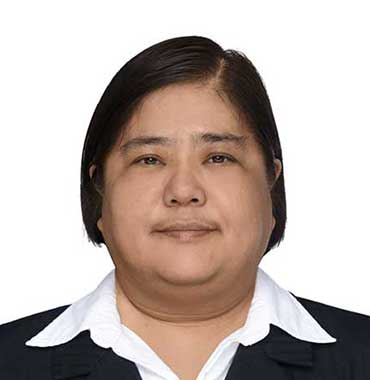
Ms. Mayfourth Luneta
Vice Chair Person,
Asian Disaster Risk Reduction Network (ADRRN)
Email: mdluneta@cdp.org.ph
Title: Frontline CSOs & Researchers: Stronger Together for Last-Mile Earthquake Resilience
Mayfourth D. Luneta has more than twenty-six years of experience in community-based disaster risk reduction and management. She is currently the Deputy Executive Director of the Center for Disaster Preparedness Foundation. She graduated from the University of the Philippines with a course in Community Development. She took her master's course on Public Health at the Adventist University of the Philippines. Her passion is working with communities to help them improve their current situation through capacity development in CBDRRM. Moreover, family preparedness for different hazards is one of her favorite advocacies. She is a council member of the National Anti-Poverty Commission- Victims of Disaster and Calamities Sector. Furthermore, Mayfourth is an Executive Committee member of the Asian Disaster Reduction and Response Network representing CDP. She has been involved in various DRR and humanitarian work at the local, regional, and international levels. She is also the current head of the Adventist Community Services in Pasig, where she blended her DRR work and faith.
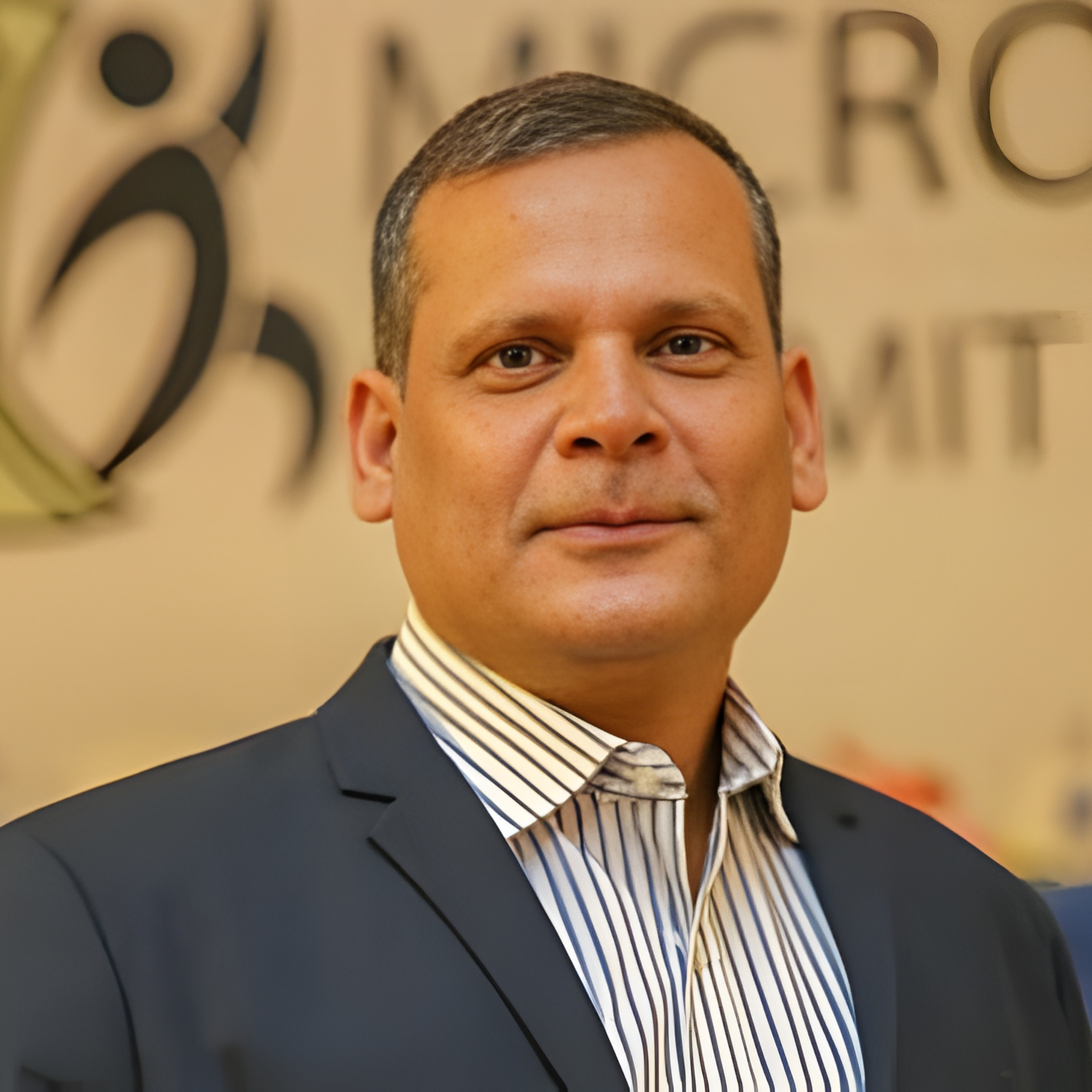
Shakeb Nabi
Country Director, Welthungerhilfe (WHH)
Email: shakeb.nabi@welthungerhilfe.de
Frontline CSOs & Researchers: Stronger Together for Last-Mile Earthquake Resilience
Shakeb Nabi is a development professional with more than two decades of strategic experience and expertise on inclusive, sustainable and resilient agri-food systems, change management and providing leaderships to large & complex programs. He holds a postgraduate diploma in Natural Resources Management followed by a master’s in international development management from UK. He also has a Masters in Humanitarian Action (NOHA) from Uppsala University, Sweden.
Shakeb has worked in a leadership role in some of the complex emergencies like the Gujarat Earthquake (2001), Indian Ocean Tsunami (2005), Uttarakhand Flood (2014) and Rohingya Refugee Crisis (2018)
Shakeb is passionate about addressing development challenges through multi-sectoral interventions and mutli-stakeholders engagement. He has worked in various countries in the region like India, Nepal, Bangladesh, Sri Lanka, Afghanistan, Myanmar etc.
Currently Shakeb is working as Country Director for Welthungerhilfe, an International NGO in Nepal.
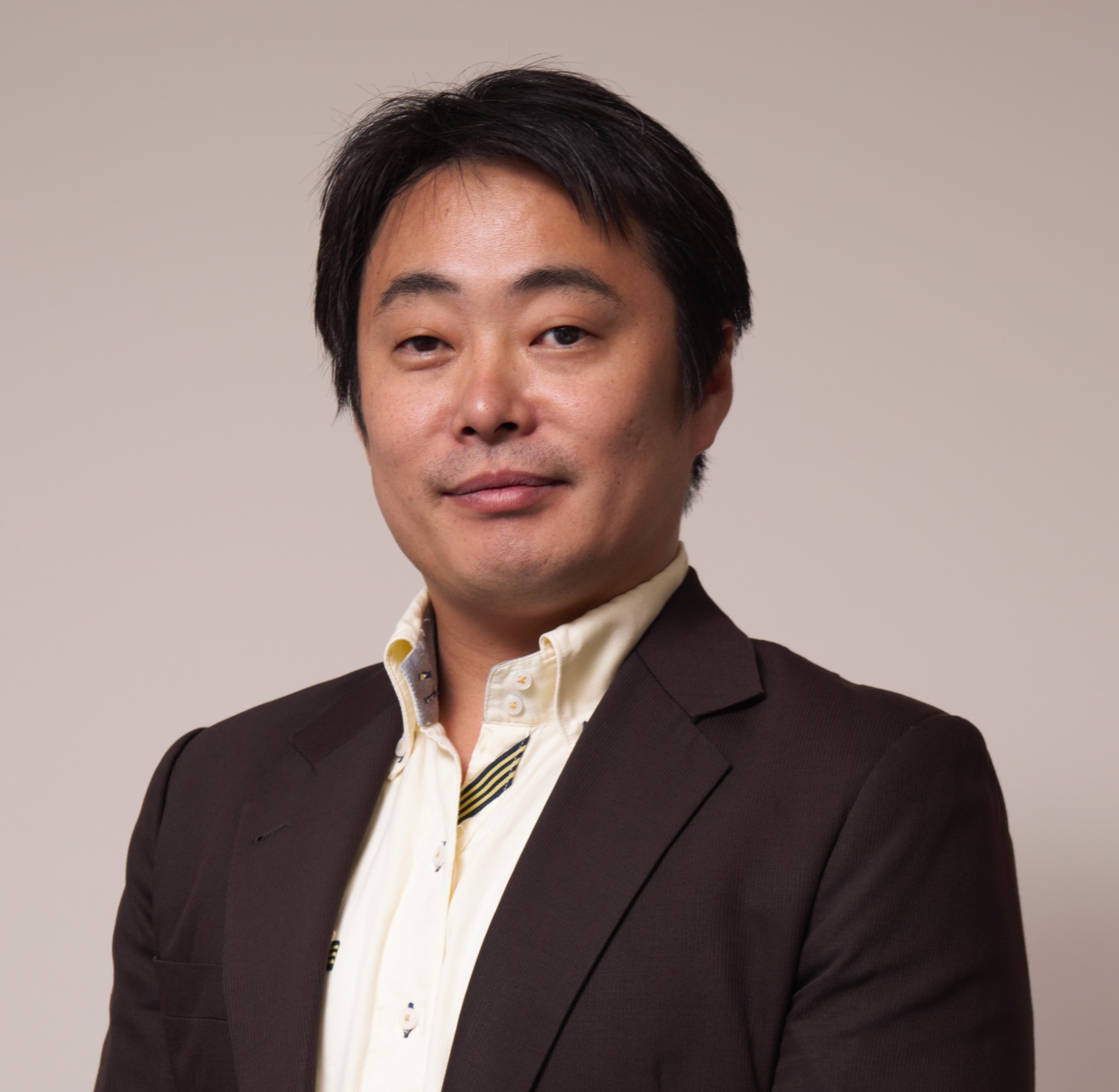
Takeshi Komino
Chair Person, Asian Disaster Risk Reduction Network (ADRRN)
General Secretary of CWS Japan
Email: takeshikomino@gmail.com; takeshi@adrrn.co
Title: Frontline CSOs & Researchers: Stronger Together for Last-Mile Earthquake Resilience
As the Chairperson and Executive Committee member of the Asian Disaster Reduction and Response Network (ADRRN), Takeshi Komino plays a crucial role in shaping the network’s strategic direction. He also leads the ADRRN Tokyo Innovation Hub (ATIH) and serves as a member of CWS Technical Unit for Disaster Risk Reduction (DRR). Takeshi is an active member of the Regional Advisory Group for the Global Network of CSOs for Disaster Reduction (GNDR) and co-leads the joint secretariat of the Japan CSO Coalition for DRR (JCC-DRR). His experience spans humanitarian operations in Afghanistan, Pakistan, Myanmar, and Thailand, and he founded CWS Japan during the East Japan Earthquake and Tsunami response, where he now serves as Board Member and General Secretary.
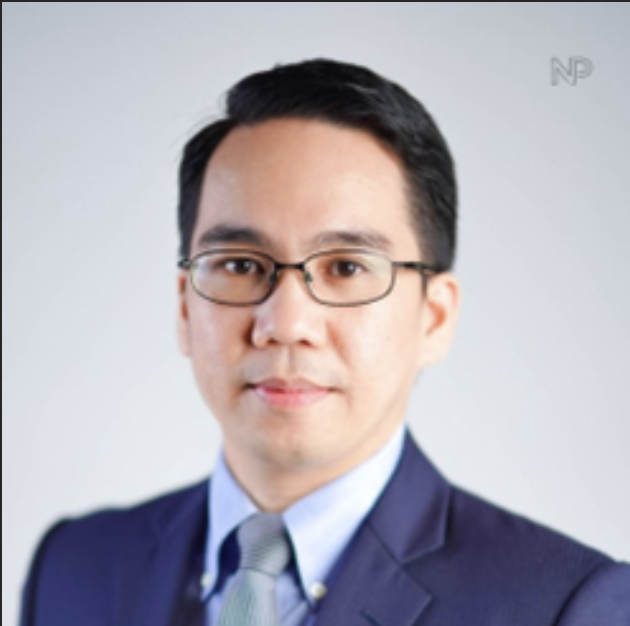
Dr. Rodolfo P. Mendoza Jr.
President, Association of Structural Engineers of the Philippines (ASEP)
Principal Structural Engineer, Petro Jikken
Doctor of Engineering, Concrete Mechanics, Nagoya University, Japan
Offshore Engineering, University of Texas at Austin, USA
Bridge Program –University of California at Berkeley
Email: rodolfo.mendoza@dlsu.edu.ph
Title: Selection of Appropriate Framework for Enhancement (SAFE) Tool for the Seismic Retrofit of School and Hospital Buildings
Dr. Mendoza has more than 16 years of professional experience in the field of structural engineering and consulting. He embarked on his career at renowned global firms (i.e., AECOM and Arup) specializing in structural engineering. Throughout his journey, he has undertaken significant marine projects, such as structural design and engineering support of the 1,200-MW Ilijan Natural Gas Plant, seismic evaluation of Tabangao Jetty 2 platform, Iloilo Import Petroleum Terminal, Cebu Import Petroleum Terminal, Luzon International LPG Import Terminal, Subic Shipyard Dry Dock, Tsuneshi Heavy Industries Slipway 2, CamSur Wind Port Jetty, seismic evaluation of Manila South Harbor piers, and structural evaluation of Pagbilao Coal Jetty.
Currently, Dr. Mendoza serves as the President of the Association of Structural Engineers of the Philippines, where he also holds several chairmanships, including the Structural Steel Committee, Ports and Harbors Committee, and the Continuing Professional Development Committee. Additionally, he is a member of the Loads Committee in Earthquake Design.
Internationally, Dr. Mendoza is the first Filipino member of the Mass Concrete Committee of the Japan Concrete Institute and the Committee for Seismic Resilience Design of Concrete Structures of the International Association for Bridge and Structural Engineering (IABSE). He is also a member of Concrete in Marine Environment committee of FIB.
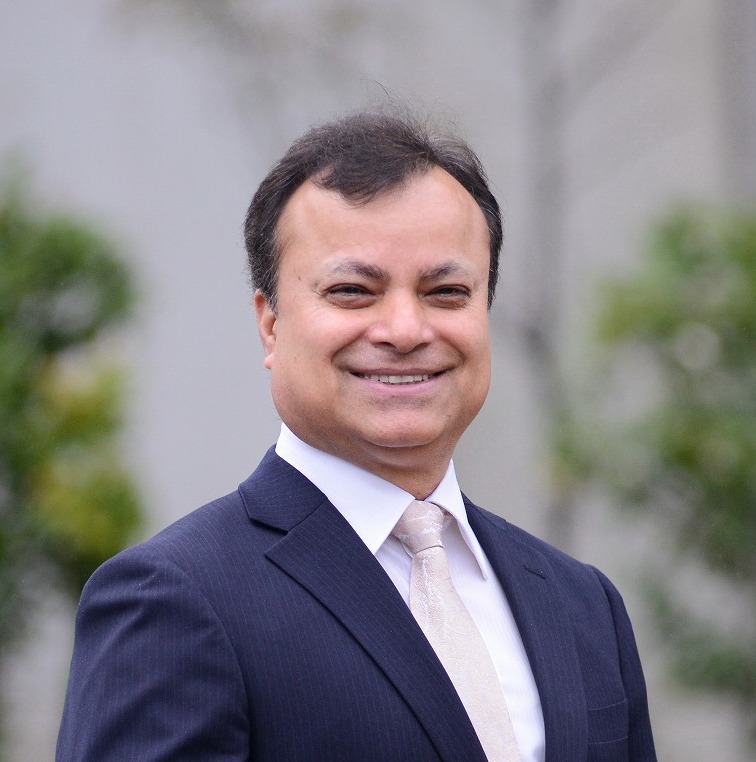
Dr. Netra Prakash Bhandary (Ph.D. Eng.)
Professor -Civil Engineering
Faculty of Collaborative Regional Innovation
(Graduate School of Science and Engineering)
Ehime University , Japan
Email: netra@ehime-u.ac.jp
Title: Coseismal landslide prediction and susceptibility mapping: A case of landslides induced by the 2024 Noto Peninsula Earthquake
Prof. Dr. Netra Prakash Bhandary is a Nepalese geotechnical engineer and Professor at Ehime University, Japan, with expertise in landslides, earthquake engineering, and disaster risk management. He earned his Ph.D. in Engineering from Ehime University in 2003, following his bachelor’s degree from Aligarh Muslim University, India, and a master’s degree in geotechnical engineering from Ehime University.
His research focuses on landslide mechanisms, seismic ground motion, and geo-disaster mitigation, with particular emphasis on improving resilience in earthquake- and landslide-prone regions. He has contributed extensively to scientific research, publishing over 150 papers and participating in major studies, including investigations related to the 2015 Gorkha earthquake in Nepal.
Prof. Bhandary has played an active role in professional and academic communities, serving as President of the Nepal Geotechnical Society and contributing to international geotechnical research collaborations. His contributions to engineering education and disaster risk reduction have been recognized with several prestigious awards, including the Mahendra Vidya Bhushan medals and honors from Ehime University.
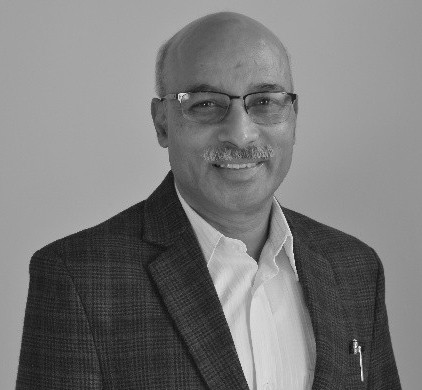
Jitendra Bothara
Senior Earthquake Engineer,
Director, ResiPro International Engineering Ltd.
Canterbury, New Zealand
Email: jitendra.bothara@gmail.com
Title: From design to delivery - Linking seismic science to people for resilient communities
Jitendra Bothara, FEngNZ and FNZSEE, is an internationally recognised earthquake engineer with over 30 years of experience in disaster risk reduction, post-earthquake recovery, and seismic safety. His work focuses on linking engineering science to people by translating knowledge into practical delivery systems that improve safety at scale, particularly in resource-constrained settings. Based in New Zealand, he has contributed to post-earthquake assessment and recovery following the Canterbury earthquakes and has advised governments and organisations including the World Bank, UNDP, and ADB across more than twenty countries. His research integrates engineering, policy, and community practice to support resilient and sustainable built environments.

Dr. Xiaoning Li
Professor, Dean
School of Emergency Management, Xihua University
Chengdu, China
Email: swustlxn@126.com
Xiaoning Li is the Dean of the School of Emergency Management at Xihua University in Chengdu. Her research focuses on the prevention and mitigation of mountain hazards along transportation corridors, actively enhancing the operational safety and emergency management of critical infrastructure. She holds several prominent advisory roles, currently serving as a Member of the Sichuan Provincial Emergency Management Standardization Committee, and Vice Chair of both the Remote Sensing Geology Specialized Committee (Sichuan Geological Society) and the Structural Committee (Sichuan Fire Protection Research Association).

Chaitanya Krishna G.
Assistant Professor, Structural Engineering (STE)
Civil and Infrastructure Engineering (CIE) Program
Faculty of Infrastructure
Asian Institute of Technology (AIT), Thailand
Email: chaitugk@ait.asia
Title: Assessment to Action: Advancing Seismic Safety of Lowrise Buildings in Developing Countries
Dr. Chaitanya Krishna Gadagamma is an Assistant Professor of Structural Engineering at the Asian Institute of Technology (AIT), Thailand. He earned his Ph.D. from the University of Tokyo, Japan, specializing in earthquake disaster mitigation. His work focuses on seismic assessment, retrofitting of buildings, and computational methods for understanding structural performance under earthquakes. He has been actively involved in research and capacity-building initiatives across Asia, particularly in regions vulnerable to seismic risk. His research combines practical engineering applications with advanced numerical modeling, aiming to bridge the gap between State of the Art and State of Practice in earthquake engineering and disaster resilience.
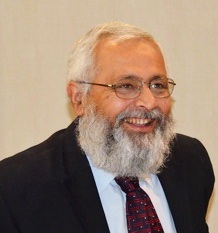
Dr. Sarosh Hasmat Lodi
Former Vice Chancellor,
NED University of Engineering and Technology,
Karachi 75270, Pakistan
Email: sarosh.lodi@neduet.edu.pk
Title: A Scalable GIS-Based Framework for Seismic Risk Assessment in Data-Scarce Environments: A Case of Pakistan.
Dr. Sarosh Hasmat Lodi is a Professor Emeritus at NED University of Engineering and Technology and currently serves as Chairman of the Charter Inspection and Evaluation Committee at the Sindh Higher Education Commission. He served as Vice Chancellor of NED University from 2017 to 2025 and is a member of several key bodies including the National Disaster Management Council, Pakistan Council for Science and Technology, Karachi Water and Sewerage Corporation, TransKarachi, Sindh Infrastructure Development Company, Public Private Partnership Policy Board, and Sindh IT Company. He is the lead author of the National Green Building Code, National Building Code, and Construction Safety Code with a focus on seismic provisions implementation, as well as the standardization of construction material specifications for low-cost units. In recognition of his contributions, he was awarded the Pride of Performance in 2019 and the Sitara-e-Imtiaz in 2025 by the President of Pakistan.